
Minicoy’s Gentle Healer: A Life of Service, Sacrifice and Skill
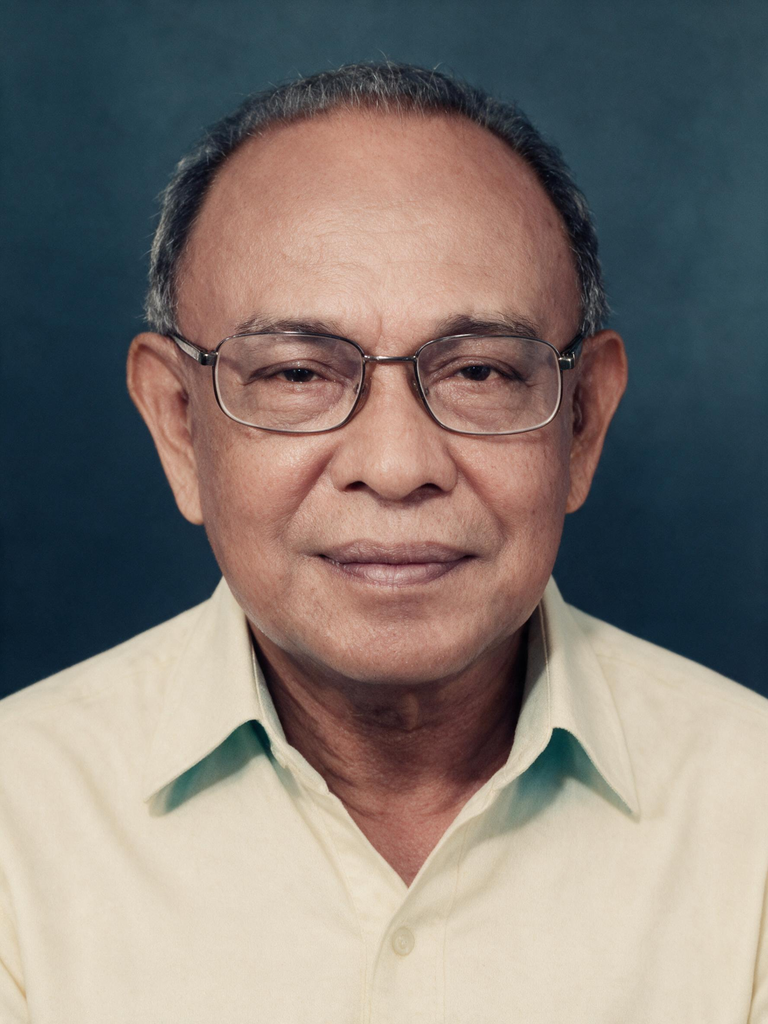
Dr. G. Mohammad Hussain (1 July 1940–18 November 2012) was a distinguished physician, surgeon and public servant from Maliku (Minicoy), Lakshadweep. He is remembered for his remarkable clinical ability, courageous service during a serious epidemic and lifelong commitment to the health and welfare of the island community.
Early Life and Family Background
Dr. Mohammad Hussain was born into a family with strong maritime roots. His father, Hassan Bebe Adigandugothi, was the only nephew and heir of the legendary captain known as Sumbuli Malimi, a respected figure in Maliku’s seafaring history.
Tragedy entered his life at an early age. His father passed away when Mohammad Hussain was only two and a half years old, leaving behind two young sons: Mohammad Hussain and his younger brother, Alimanikfan, who was then about one year old.
After completing his schooling at Elathur High School in Kozhikode, Kerala, Mohammad Hussain assumed family responsibilities at a young age. To support the household and help finance his younger brother’s education, he joined government service as a tally clerk aboard vessels operated under the Lakshadweep Port Department. Alimanikfan later served the Lakshadweep Administration and retired as a Deputy Registrar.
From Tally Clerk to Doctor
A decisive change came when Shri S.Mani, then Administrator of Lakshadweep, learned about the family’s earlier association with the Jadwet Trading Company. He initially encouraged Alimanikfan to pursue medical education, but Alimanikfan recommended his elder brother instead.
With encouragement from the Administrator and support from his family, Mohammad Hussain chose a new path. At the age of 24, he joined Guntur Medical College in Andhra Pradesh to study medicine.
Before completing his house surgery, he married Aysha Kanharugothi, an orphaned young woman of half-Malayali heritage who had received a modern education in Jaipur, Rajasthan.
Medical Service in Lakshadweep
After qualifying through the UPSC selection process, Dr. Mohammad Hussain joined the Lakshadweep Administration as a Junior Medical Officer in 1971. His first posting was at the Government Hospital in Minicoy.
From 1976 to 1980, he served at Kavaratti, where he developed a strong interest in surgery and became widely respected for his clinical skill, sound judgement and compassionate treatment of patients.
Service During the 1978 Cholera Outbreak
In 1978, a serious cholera outbreak struck Agatti and caused several deaths. Dr. Mohammad Hussain volunteered to serve on the affected island and travelled there with his family. They stayed at the Dak Bungalow while he worked tirelessly with the local medical team.
Through determined medical intervention and public-health efforts, the outbreak was brought under control within approximately three weeks. His courage and effective service during this emergency earned him recognition throughout Lakshadweep.
Recognition of His Clinical Skill
While serving at Kavaratti, Dr. Hussain treated the wife of Administrator Shri P. M. Nair for a major bone fracture. At a time when air evacuation was unavailable, she subsequently travelled by ship to the mainland for specialist treatment.
According to the family account, the mainland orthopaedic specialists praised the accurate positioning of the fractured bone and the quality of the plaster applied by Dr. Hussain.
In appreciation, the Administrator hosted Dr. Hussain and his family at the official bungalow and asked what favour he desired. Dr. Hussain expressed his wish to return to his native Minicoy. Despite the affection of the Kavaratti community and their reluctance to see him leave, his transfer was eventually arranged in 1980.
A One-Man Surgical Team in Minicoy
During his second period of service at the Government Hospital in Minicoy, Dr. Hussain demonstrated extraordinary versatility. Limited specialist facilities often required him to perform several medical roles simultaneously.
He carried out major surgical procedures and, when necessary, also managed anaesthesia and postoperative care. During Caesarean deliveries, he assumed responsibilities that would ordinarily be shared among a surgeon, anaesthetist, gynaecologist and paediatrician.
By the time he left Minicoy in 1990, he had reportedly performed more than 50 major operations, including:
Caesarean sections
Appendectomies
Hernia repairs
Hydrocele operations
Haemorrhoid surgeries
His ability, courage and readiness to serve made him one of the central figures in Minicoy’s healthcare history.
Transfer and G.M. Clinic
In 1990, Dr. Hussain was transferred to Pune, Maharashtra, as Chief Medical Officer under the Central Government Health Scheme. Village Moopans and members of the Minicoy community protested against the transfer, but the order remained in force.
Unwilling to remain permanently separated from his people, he eventually left government service. After encouragement from relatives and friends, he opened G.M. Clinic in 1991 and continued serving the community through private medical practice.
His concern was never merely professional advancement. He believed that medical care should remain accessible to ordinary people, particularly those who could not afford expensive treatment.
Later Years and Family
In 2010, Dr. G. Mohammad Hussain settled in Thiruvananthapuram with his daughter, Dr. Shameena Manika, a practising gynaecologist; her late husband, Dr. Mohammad Manikfan; and his son, Dr. Feroze Khan, who served as a lecturer in the Department of ENT at Dr. Somervell Memorial CSI Medical College.
Dr. G. Mohammad Hussain passed away on 18 November 2012 in Thiruvananthapuram. He was laid to rest at Thottathumpady Juma Masjid in Kaloor, Ernakulam.
Legacy
Dr. G. Mohammad Hussain remains one of Maliku’s memorable medical personalities—a physician who combined rare clinical skill with humility, compassion and courage.
He served on the front line during an epidemic, performed complex operations under limited island conditions and repeatedly placed the needs of his community above personal convenience. His life represents the spirit of service, sacrifice and quiet heroism that defines the true legends of Maliku.