
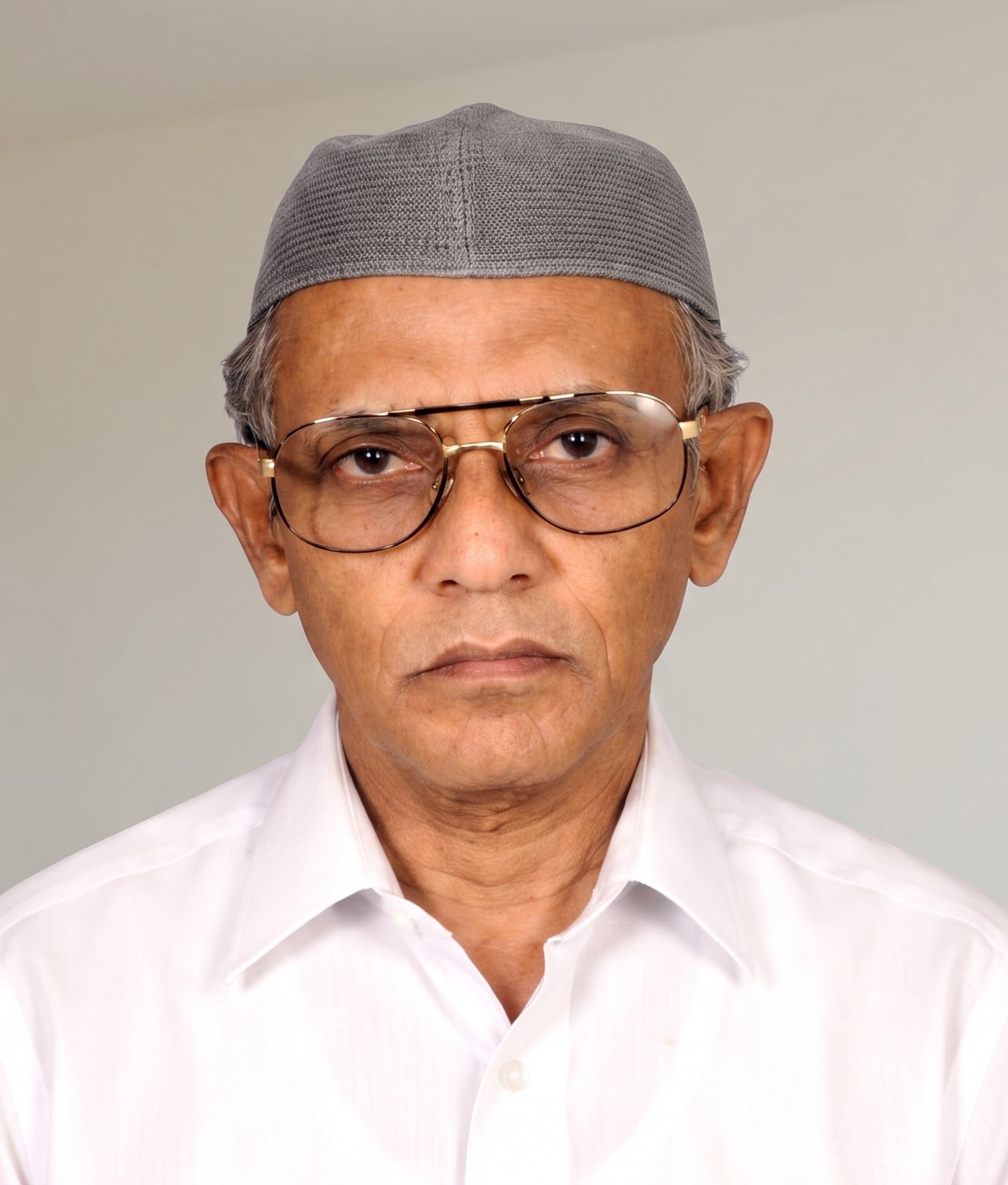
Scholar, Teacher, Poet, and Guardian of Mahl Heritage
Late Janab M. Ali Ismail Umeri was a revered religious scholar, distinguished educator, poet and cultural personality of Maliku (Minicoy). His life was devoted to the advancement of education, Islamic learning, the Mahl language and the moral and cultural strength of his community.
Through scholarship, teaching, religious service, broadcasting and literature, he influenced generations of students and community members. He is remembered not only for the positions he held, but also for the humility, discipline and sense of responsibility with which he served.
A Life Grounded in Scholarship
M. Ali Ismail Umeri pursued advanced religious and academic education at respected institutions. He obtained the prestigious Afzal-ul-Ulama qualification from Madras and a Maulvi qualification from Darussalam, Umerabad. These studies gave him a strong foundation in Islamic scholarship, language and education.
He understood knowledge as more than personal accomplishment. For him, education was a responsibility to be shared with others and used for the moral and intellectual development of society. Throughout his life, he encouraged students to value learning, discipline, good character and respect for their cultural roots.
A Distinguished Teacher and Educator
M. Ali Ismail Umeri dedicated a significant part of his life to teaching and educational leadership. His work was recognised nationally when he received the Best Teacher Award from the President of India, one of the highest honours bestowed upon an educator.
Inside and outside the classroom, he taught with patience, clarity and compassion. He believed that education should develop not only academic ability but also honesty, responsibility, humility and service to society.
Many of his students continued to carry the lessons and values they learned from him into their families, professions and community life. His influence therefore extended far beyond the institutions in which he formally served.
Religious and Community Service
Janab Umeri served the people of Maliku with distinction as the Khateeb of the Juma Masjid and as the Principal of Madrasa Mifthah-ul-Uloom from 25 May 1984 to 8 April 1999.
Before assuming his responsibilities at the Juma Masjid, he also served as the Principal of Madrasa Darussalam.
In these important roles, he provided religious instruction, moral guidance and compassionate leadership. His sermons and teachings helped people understand faith as a source of discipline, kindness, unity and responsibility.
He approached religious leadership with humility and dignity. His service was founded not on authority alone, but on knowledge, patience and genuine concern for the spiritual and moral welfare of the community.
A Voice for the Mahl Language
Janab Umeri believed that the language of a community carries its memories, worldview, and collective identity. As a proud son of Maliku, he worked tirelessly to preserve and promote the mother tongue of the island. The language spoken in Maliku is a dialect of Dhivehi, the language also spoken in the Maldives, and is commonly known outside the island as Mahl.
Ali Ismail Umeri himself expressed this clearly in his work Magey Bas, writing:
“މަލިކު މީހުންގެ މައިދަރި ބަހަކީ ބޭރުމީހުން މަހަލްއޭ ކިޔާ ދިވެހިބަހެވެ.”
In other words, the mother tongue of the people of Maliku is Dhivehi, which people outside Maliku call Mahl. His own words therefore present Mahl not as a separate language related to Dhivehi, but as the name commonly used outside Maliku for the Dhivehi variety spoken by the island community.
At a time when opportunities for Mahl-language broadcasting and publication were limited, he recognised the importance of keeping the language alive through speech, poetry, songs, education and public communication.
He served as a scriptwriter and announcer for the Mahl Section of Akashvani Calicut, helping Mahl language and Maliku culture reach listeners through radio. His voice and writing connected the island community with a wider broadcasting world while preserving the distinctive character of its language.
Poet and Literary Contributor
Janab Umeri was also a gifted poet and songwriter. His literary compositions reflected faith, affection, moral instruction, community feeling and devotion to language.
He wrote numerous songs and poems for the people of Maliku and contributed poetry to Mahl-language textbooks, enabling younger generations to encounter their mother tongue through formal education.
Among the works remembered by the community are:
Nana: Nidha Nidha Loabi Magay Vaa Dhariya
Fathihuge Mudhima Bangidhineema
Hamdhaa Sanaayi Sukuraa, La Hikuve Vodivellavva
A Afaa Hindhu Muslim Akhunnay
These compositions form part of Maliku’s literary and cultural memory. They preserve the sounds, expressions, emotions and spiritual values of an earlier generation.
A Legacy of Knowledge and Service
Late Janab M. Ali Ismail Umeri is remembered as a man whose scholarship was accompanied by humility, whose teaching shaped young minds and whose poetry protected the voice of his people.
As a scholar, he strengthened religious understanding. As a teacher, he encouraged knowledge and character. As a Khateeb and educational leader, he guided the community with wisdom and compassion. As a poet, broadcaster and writer, he helped preserve Mahl language and cultural identity. His contribution to faith, education, literature and Mahl heritage continues to inspire the people of Maliku. His life remains an enduring example of how one individual, through knowledge and sincere service, can leave a lasting influence upon generations.